

Pilgrim's guide
Niepokalanów - pilgrim's guide
Photos: Almondox · CC BY 3.0
Niepokalanów, the City of the Immaculate, is a Franciscan friary and shrine founded by St Maximilian Maria Kolbe, about 40 kilometres west of Warsaw. This guide will help you plan a visit in the footsteps of the Saint of Auschwitz, whether with your family, a parish group or on your own.
Machine-translated guide.
Why go
This place grew out of one friar's dream of winning the world for Mary through the printed word. Walking around the friary, you will see the first wooden chapel where St Maximilian prayed and learn how a few huts grew into one of the largest Catholic publishing houses in pre-war Poland.
Niepokalanów is also a witness to martyrdom. Its founder gave his life in Auschwitz for a fellow prisoner, and his story moves children, young people and adults alike. Being close to Warsaw, it is easy to visit even for half a day.
A short history
Father Maximilian Kolbe founded the friary in 1927 on land donated by Prince Jan Drucki-Lubecki. It grew quickly: before the war several hundred friars lived there, and the printing house published, among other titles, the Knight of the Immaculate in print runs of a million copies. The friars also had their own fire brigade and began experimenting with radio.
During the war the friary sheltered refugees, including about one and a half thousand Jews. Father Maximilian was arrested in 1941 and died in Auschwitz on 14 August, having offered his life for Franciszek Gajowniczek. John Paul II canonised him on 10 October 1982. The basilica was built in 1948-1954, received the title of minor basilica in 1980, and was visited by the Pope in 1983.
Getting there
Niepokalanów lies in the municipality of Teresin, in the Sochaczew district, on the railway line from Warsaw to Kutno. The most convenient starting point is Warsaw, which has an international airport and main railway stations.
- by train: Koleje Mazowieckie regional trains from Warsaw to Teresin-Niepokalanów station; from the station you still have to walk to the friary, so check the route on a map
- by car or coach: from Warsaw head towards Sochaczew; you can leave vehicles in the car park by the friary and the Pilgrim House
- timetables: check the operator's current journey planner
When to go
The shrine welcomes pilgrims all year round, and the season for groups runs from May to October. For an ordinary visit choose a weekday; to experience the community, come for one of the indulgence feasts.
- 7 May - feast of the Immaculate Mediatrix of All Graces, the titular feast of the basilica
- 14 August - feast of St Maximilian on the anniversary of his death, with the evening Transitus and an all-night vigil
- 15 August - feast of the Assumption of the Blessed Virgin Mary
- 8 December - feast of the Immaculate Conception, the main feast of the parish, the friary and the Militia of the Immaculata
What to see and experience
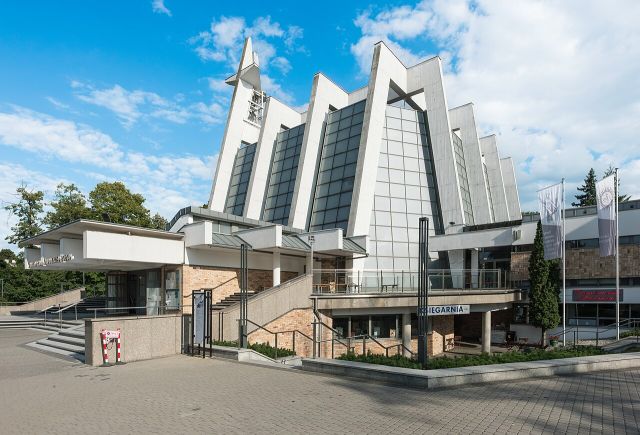
- the Basilica of the Immaculate Mediatrix of All Graces
- the Chapel of St Maximilian - the first wooden chapel from 1927, restored and reopened in 1997
- the Chapel of Perpetual Adoration, open around the clock
- the Millennium Panorama beneath the basilica - a moving nativity scene with over 140 figures from the history of the Church in Poland, with commentary in several languages
- the Museum - mementoes of St Maximilian, the friars' fire brigade and papal cars
- the Mystery of the Passion - one of the places to see within the shrine grounds
- the bookshop and the Militia of the Immaculata Centre
Practical information
- Millennium Panorama: shows for groups of 10 or more, lasting about half an hour
- a map of the friary and shrine can be downloaded as a PDF from the shrine website
- dress: modest, appropriate for a church
- a plenary indulgence on feast days under the usual conditions
- Masses, services and exposition times: check the current information on the shrine website
Accommodation and food
The Franciscans run a Pilgrim House with rooms in three buildings: St Teresa House, St Maximilian House and St John Paul II House, with en-suite or shared bathrooms. Conference rooms are also available for groups. Meals can be ordered at the U Braci canteen, ideally when you make your booking. Bookings are taken by phone, email or the form on the website, and arrival after reception hours must be arranged in advance.
Tips from pilgrims
- Start with St Maximilian's small wooden chapel - after that, the basilica and the museum make much more sense.
- If you come with children, the Millennium Panorama and the museum with the fire brigade are usually what they remember longest.
- The Panorama is shown to groups - if you come alone, ask on site whether you can join the next group.
- For the 14 August feast, plan to stay the evening and night - the services continue until morning.
- A visit is easy to combine in one day with the nearby Shrine of Our Lady of Jazłowiec and Łowicz Cathedral.
Frequently asked questions
How do I get to Niepokalanów from Warsaw?
Take a Koleje Mazowieckie train to Teresin-Niepokalanów station and walk on to the friary, or drive towards Sochaczew. The friary is about 40 kilometres west of Warsaw.
What is the Millennium Panorama?
It is a moving nativity scene beneath the basilica, created in 1966 for the Millennium of the Baptism of Poland. More than 140 figures from the history of the Church in Poland move past the audience with sound and light.
When is the feast of St Maximilian at Niepokalanów?
On 14 August, the anniversary of his death in Auschwitz in 1941. The Transitus takes place in the evening, followed by a night vigil.
Can I stay overnight at Niepokalanów?
Yes, at the Pilgrim House run by the Franciscans, in rooms for one to four people. A booking is confirmed by paying a deposit.
Who founded Niepokalanów?
St Maximilian Maria Kolbe, a Franciscan friar, in 1927. The friary was famous for publishing the monthly Knight of the Immaculate.
Nearby
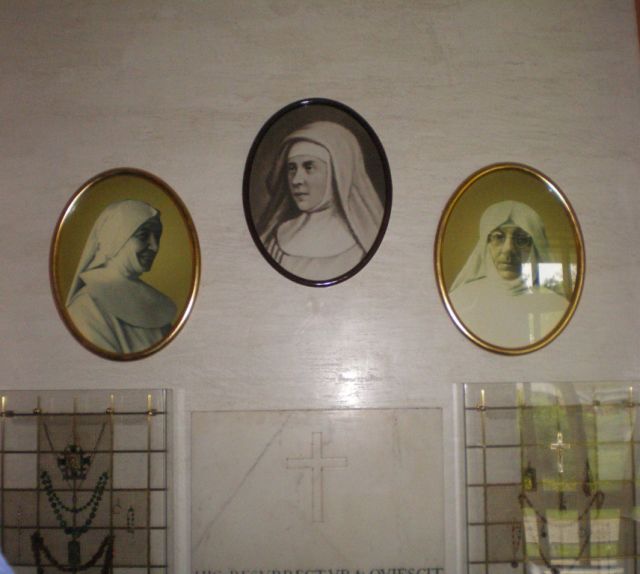 Shrine of Our Lady of Jazłowiec, SzymanówSzymanów, PL
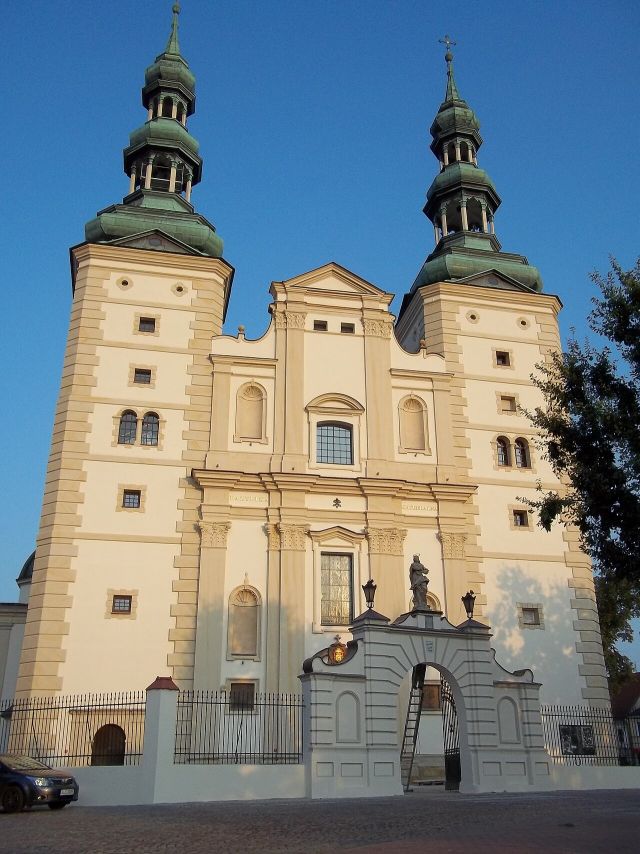 Cathedral Basilica of the Assumption of the Blessed Virgin Mary and Saint Nicholas, ŁowiczŁowicz, PL
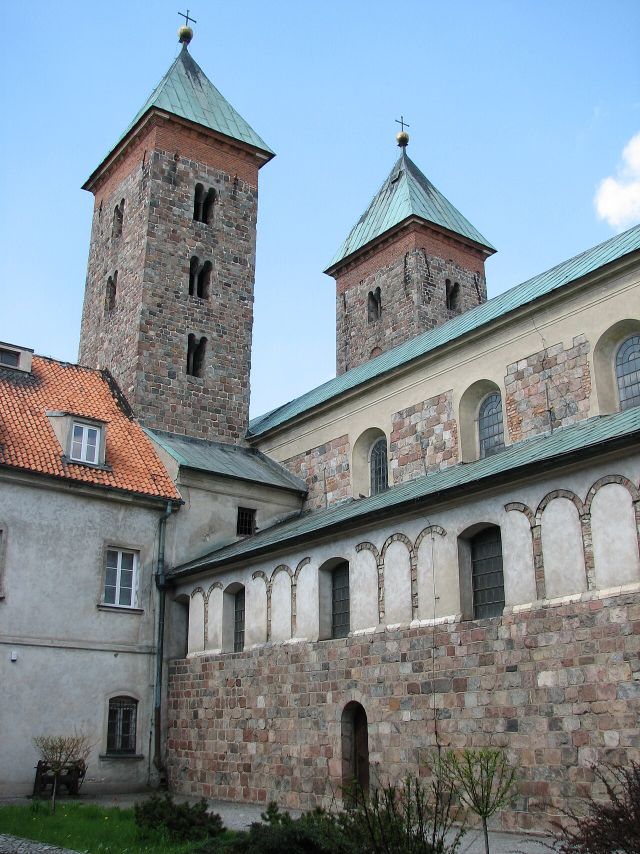 Basilica of the Annunciation of the Blessed Virgin Mary, Czerwińsk nad WisłąCzerwińsk nad Wisłą, PL
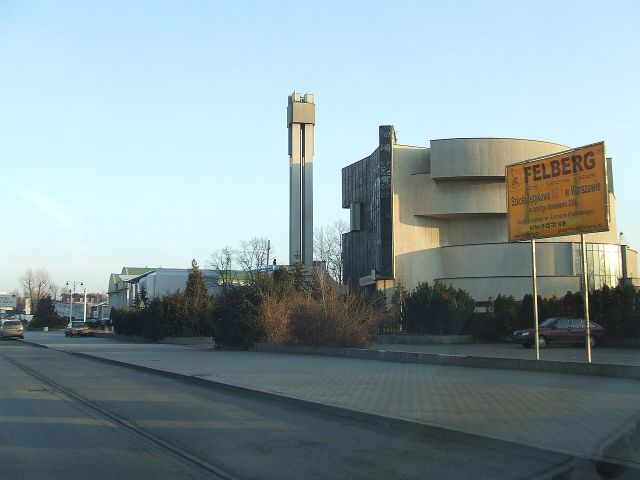 Shrine of Divine Mercy, Ożarów MazowieckiOżarów Mazowiecki, PL
 Shrine of Saint Andrew Bobola, WarsawWarszawa, PL