

Pilgrim's guide
Lourdes - pilgrim's guide
Photos: Efourage · CC BY-SA 3.0
Lourdes at the foot of the Pyrenees is one of the most important Marian shrines in the world: the Grotto of Massabielle, the water from the spring and the evening candlelight procession. This guide will help you plan your journey, experience the shrine calmly and avoid the typical pitfalls of a first visit.
Machine-translated guide.
Why go
Lourdes is a place where the Church of the sick and the suffering is especially visible. People in wheelchairs and on stretchers are at the centre here, not on the margins, and volunteers from all over the world help them reach the Grotto, the baths and the processions. Many say it is this atmosphere of care that moves them more than the monuments themselves.
It is also a place of simple gestures: silent prayer before the Grotto, lighting a candle, washing your face with water from the spring, singing the "Ave Maria" during the evening procession. You do not need to know French or the history of the apparitions to find your way into this rhythm.
A short history
In 1858 fourteen-year-old Bernadette Soubirous, the daughter of a poor family of millers from Lourdes, saw a Beautiful Lady in the grotto of Massabielle by the river Gave. Between 11 February and 16 July 1858 she had eighteen apparitions. On 25 March the Lady introduced herself in the local dialect as the Immaculate Conception.
The local bishop recognised the devotion in January 1862. Bernadette joined the sisters in Nevers, where she died in 1879 at the age of 35. The Church declared her a saint on 8 December 1933. The memorial of Our Lady of Lourdes falls on 11 February.
Around the Grotto a vast shrine has grown up with three basilicas: the Immaculate Conception (upper), the Rosary (lower) and the underground Basilica of St Pius X. The Medical Bureau based here examines reported healings, and only a small number of them are recognised as medically inexplicable.
Getting there
Most pilgrims reach Lourdes in one of three ways: by air to one of the airports in south-western France, by coach with a parish or pilgrimage-agency group, or by car. A coach is convenient for groups and older people, although the journey can be long. Flights to the region are often seasonal, so check the current routes before you plan.
- by air: the nearest airport is Tarbes-Lourdes-Pyrénées, with public transport and transfers into town; alternatives are the airports of Pau and Toulouse, followed by train or bus
- by train: Lourdes has its own railway station with connections from Paris (including high-speed trains) and Toulouse, among others; from the station you can walk to the shrine or take a town bus
- by coach: parish groups and pilgrimage agencies run regular coach pilgrimages to Lourdes, often combined with other shrines in France
- by car: via the French motorway network; in Lourdes use the car parks and walk to the shrine, as parking in the centre is hard to find in the evening
When to go
The main pilgrimage season runs roughly from Easter to the end of October. During this time the Eucharistic procession and the evening Marian candlelight procession take place every day and the programme is at its fullest. Out of season the shrine is quieter and there are fewer processions, but the Grotto remains open and you can pray in silence.
- 11 February - memorial of Our Lady of Lourdes and World Day of the Sick
- Easter to October - daily processions and the full programme
- July and August - the most pilgrims, including large national pilgrimages
- 15 August - Solemnity of the Assumption, very crowded
- 8 December - Solemnity of the Immaculate Conception, an important feast out of season
What to see and experience
- the Grotto of Massabielle - the heart of the shrine; silent prayer, passing beneath the rock, the Rosary and Masses at the Grotto
- water from the spring - taps and fountains near the Grotto where you can drink, wash and fill a bottle
- the baths (piscines) - the gesture of immersion in the water with the help of volunteers
- candles - light a candle in the designated place, as a sign of the prayer you leave in Lourdes
- the Eucharistic procession - in the afternoon during the season, with the blessing of the sick
- the evening Marian candlelight procession - thousands of lights and the "Ave" sung in many languages
- the Basilica of the Immaculate Conception, the Rosary Basilica and the underground Basilica of St Pius X
- the Way of Grace with Mary - a meditative route in several stages through the main places of the shrine
- places linked to Bernadette in the town, including the Boly Mill where she was born
Practical information
- opening hours of the Grotto, Masses, processions and baths: check the current programme on the shrine's website or in the official app
- the spring water is free and may not be sold; it is not holy water until it has been blessed by a priest
- there is a queue for the baths; they are sometimes closed early if many people are already waiting
- language: French dominates on site, but the shrine holds international liturgies and celebrations in various languages; group pilgrimages often bring their own priest
- accessibility: the shrine is well prepared for sick and disabled people, assisted by volunteers of the hospitalité
- what to wear: comfortable shoes, a rain jacket and something warm for the evening, as the weather in the Pyrenees is changeable
- group pilgrimages should register with the shrine in advance, using the information on the official website
Accommodation and food
Lourdes has a very large range of accommodation: hotels, guesthouses and religious houses, most of them close to the shrine. The shrine publishes a map of accommodation and information for pilgrims on its website. It is worth choosing somewhere within walking distance of the Grotto so you can walk back after the evening procession.
Sick people travelling with organised pilgrimages can stay at the Accueil Notre-Dame, the shrine's centre with medically adapted rooms. For pilgrims in financial difficulty there is the Cité Saint-Pierre, run in cooperation with Caritas France (Secours Catholique). There is no shortage of food, and many groups have meals included with their accommodation.
Tips from pilgrims
- Go to the baths outside peak hours and be prepared to wait; in season the queue can be long.
- Bring your own bottle for the spring water, and only buy souvenir containers if you really need them.
- Arrive early for the evening procession if you want to watch it from the steps of the basilica, or simply join those walking.
- Set aside time for silence before the Grotto late in the evening or early in the morning, when there are fewer people.
- Do not be put off by the shops selling devotional items on the way to the shrine; beyond the gate the atmosphere is completely different.
- Pack a rain jacket, as rain is a frequent visitor in Lourdes.
- If you are travelling with a sick person, contact the pilgrimage organiser in advance about medical help and volunteers.
On foot and on the trail
The shrine itself is best explored on foot, and the distances between the Grotto, the basilicas and the places linked to Bernadette in the town are short. Lourdes lies at the foot of the Pyrenees, so many people combine their pilgrimage with short trips into the mountains; for mountain trails take suitable footwear and check the weather forecast.
Frequently asked questions
Does the water of Lourdes heal?
The shrine stresses that the water has no special healing properties. It is a sign, and what matters most is faith and prayer. Healings reported in Lourdes are examined by the Medical Bureau, and only a few are recognised as medically inexplicable.
Can I take Lourdes water home?
Yes. You can collect water free of charge from the taps and fountains near the Grotto. It may not be sold. If you are flying, check your airline's rules on carrying liquids.
When does the candlelight procession take place?
During the season, roughly from April to October, the Marian candlelight procession takes place every evening. Exact times and dates out of season are given in the programme on the shrine's website.
How do I get to Lourdes?
Most often by air to Tarbes-Lourdes, Pau or Toulouse and then by train or bus, by coach with an organised pilgrimage, or by car. Lourdes also has its own railway station with connections from Paris and Toulouse.
Are there Masses in languages other than French in Lourdes?
The shrine holds international liturgies and celebrations in various languages, and pilgrimage groups often bring their own priest. You will find the current schedule in the programme on the shrine's website.
Where is St Bernadette buried?
Bernadette died in 1879 in Nevers, France, where she lived as a religious sister. It is Nevers, not Lourdes, that is her resting place and the destination of separate pilgrimages.
Nearby
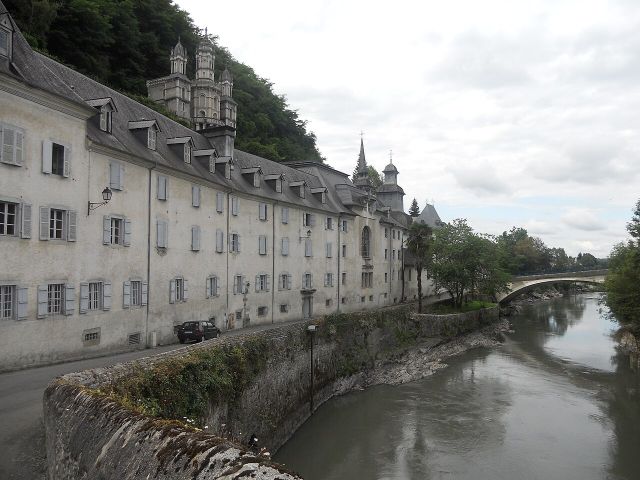 Shrine of Notre-Dame de Bétharram, Lestelle-BétharramLestelle-Bétharram, FR
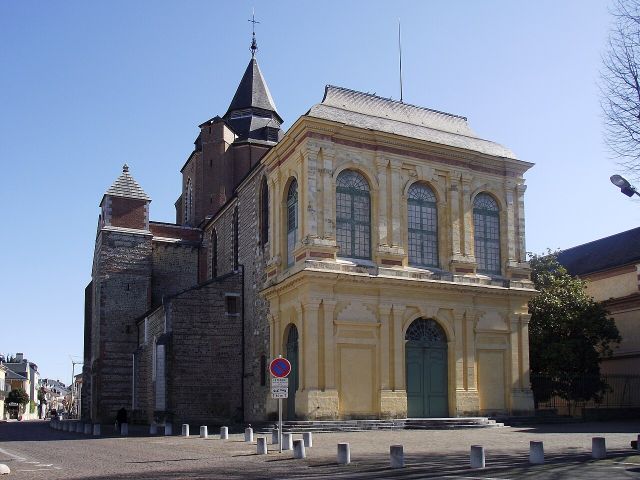 Cathedral of Notre-Dame-de-la-Sède, TarbesTarbes, FR
Shrine of Notre-Dame de Médoux, AstéAsté, FR
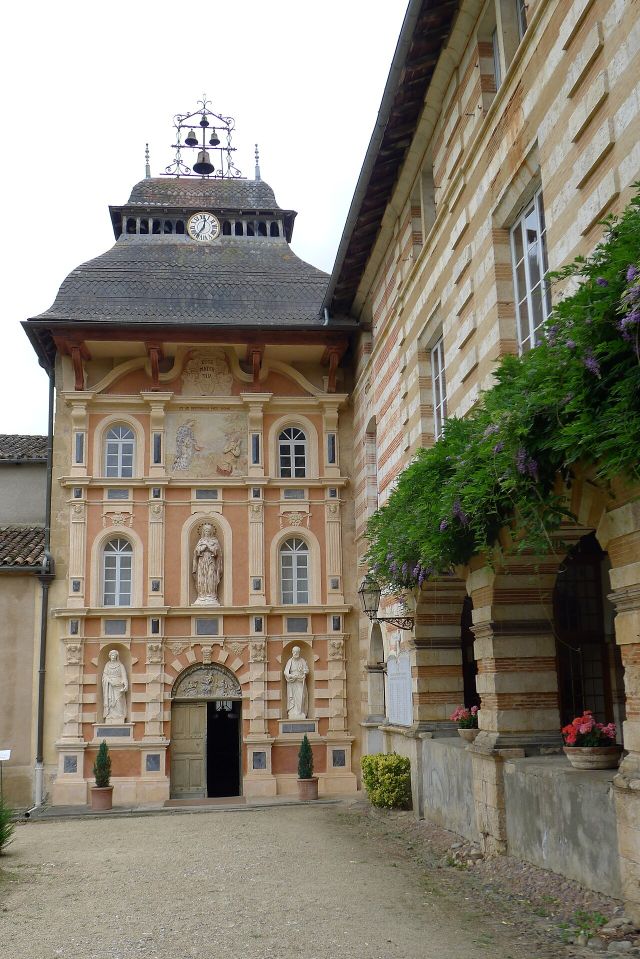 Shrine of Notre-Dame-de-Garaison, Monléon-MagnoacMonléon-Magnoac, FR
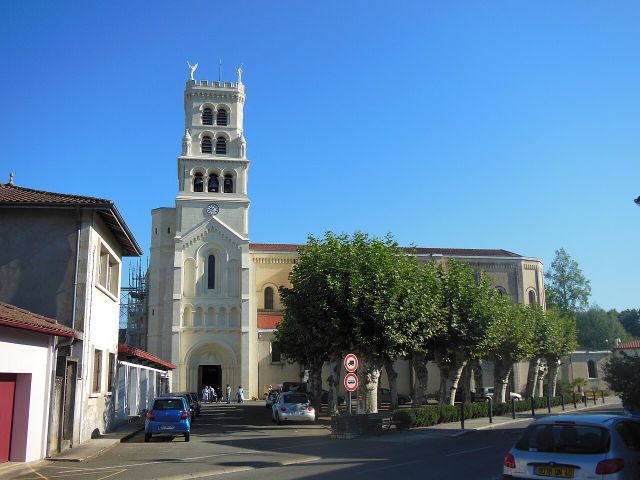 Basilica of Notre-Dame de Buglose, Saint-Vincent-de-PaulSaint-Vincent-de-Paul, FR