Guide
Pilgrimage with Children and for Seniors: How to Plan It Well
Published October 21, 2026 · 12 minute read
How to choose the destination, pace and breaks when children, parents and grandparents go on pilgrimage together. Practical tips on safety, health and short trips.
Machine translation of an article written in Polish.
A pilgrimage with children, or a trip with your parents or grandparents, is a beautiful experience, but it calls for different planning from a journey of fit adults. The pace is different, so are the needs for rest and the range of things that will hold people's attention. The good news is that a shared journey to a shrine can be a real joy for three generations at once, as long as we match the destination, the length of the stages and the way we pray to the weakest participant. In this guide we suggest how to choose a place, how to plan breaks, what to remember about safety and health, and why a short pilgrimage to a nearby shrine is often a better start than an ambitious trip abroad. The second part of the article is about older people: we explain how to prepare a pilgrimage for seniors.
Pilgrimage with children: where to start
The first question is not "where are we going?" but "who is this pilgrimage for?". If you are taking small children, they set the rhythm of the day. Parents who try to take a four-year-old through a full-day adult programme usually come home tired and disappointed.
Before choosing a destination, answer a few questions honestly:
- How many hours can your child spend in a car or coach without a major meltdown?
- Do you need a pushchair, a baby carrier or a place for a nap?
- How long can your child stay quiet in church?
- Is there space near the shrine where children can run around?
- Which of the adults will look after the children during services?
It is a good idea to talk with your children beforehand about where you are going and why. A short history of the shrine, a story about the saint or about the image of Our Lady, or even looking together at photos of the place on the map of shrines, makes a child look forward to the trip as an adventure.
A short pilgrimage to a nearby shrine to begin with
For families with small children, the best start is a one-day trip within a short drive of home. Poland, for example, has no shortage of shrines where you can spend a few unhurried hours. Some destinations worth considering, depending on the region:
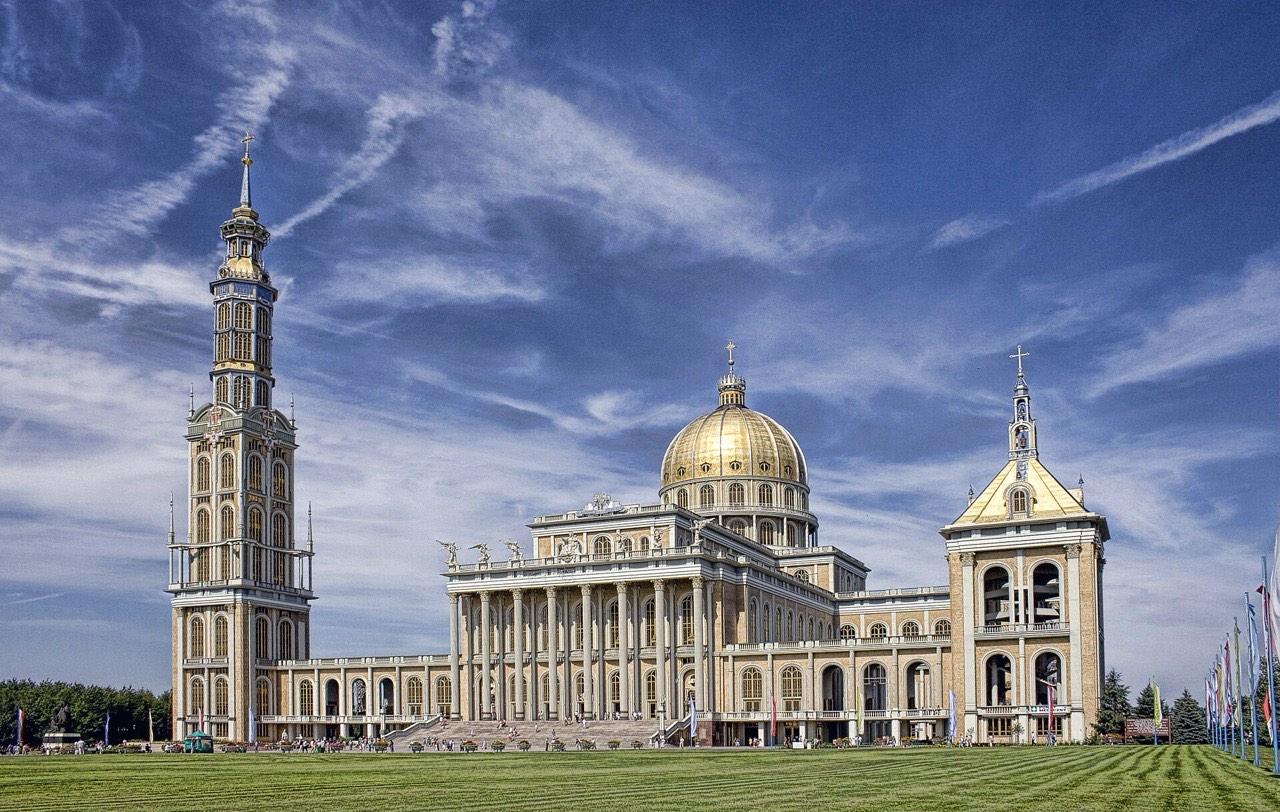
- Licheń, where next to the basilica there are extensive grounds with gardens and paths;
- Niepokalanów, a place linked to St Maximilian Kolbe, whose story can be told to older children;
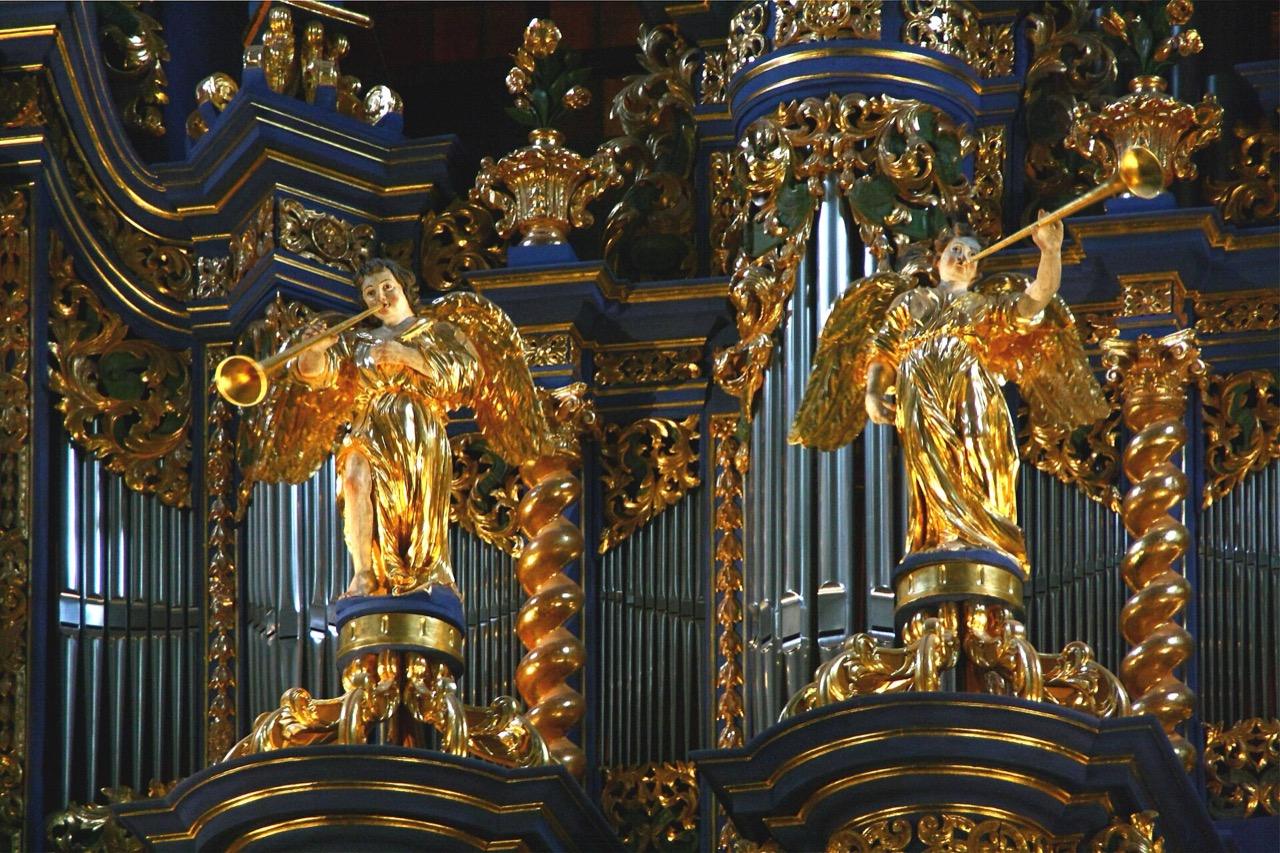
- Święta Lipka in Warmia, known for its Baroque basilica and the moving figures on its organ;
- Gietrzwałd, the shrine of the Marian apparitions of 1877;
- Wambierzyce in Lower Silesia, with its distinctive steps leading up to the basilica;
- Ludźmierz and Krzeptówki in Zakopane, which are easy to combine with a family holiday in the mountains.
For a wider overview, see our article on Marian shrines in Poland. Always check opening hours, service times and family-friendly facilities on the shrine's official website just before you travel.
Pace and breaks on a pilgrimage with children
Children tire quickly, but they also recover quickly. The key is frequent short rests instead of one long break after several hours. A few proven rules:
- Plan fewer items on the programme than seems possible. One service and a calm walk make a full day for a preschooler.
- Schedule breaks every hour or more often, with a drink, a snack and a chance to use the toilet.
- Avoid the biggest crowds, meaning patronal feast days and major celebrations, if your children cope badly with crush and noise.
- Leave time for boredom and play. A child who has run around in a park will find it easier to manage a quarter of an hour in church.
- Have a backup plan: if your child cries during Mass, one parent takes them outside without feeling it is a failure.
On walking pilgrimages with children, short one-day sections work better than a multi-day march. If you dream of walking to Jasna Góra, ask the organisers whether they have family groups or allow people to join for selected stages. We have gathered general tips in our guide to the walking pilgrimage to Częstochowa.
How to pray with children on the way
Prayer with children should be short, concrete and close to their experience. Instead of the whole Rosary, one decade is enough, with each child saying their own intention. Instead of long adoration: a moment before the image and simple words of thanks.
Ideas that work in many families:
- an intention for the day chosen by a child and repeated at every stop;
- singing simple hymns together that children quickly learn, for example traditional Marian hymns;
- lighting a candle at the shrine and saying a short prayer for grandparents or the sick;
- the evening question: what are you thankful to God for today?
You can read more about prayer on the road, including traditional short prayers that are easy to pass on to children, in our article a pilgrim's prayer on the way.
Children's safety on a pilgrimage
Large shrines draw crowds on feast days, and a child getting lost is one of parents' most common fears. A few sensible rules:
- Agree on a fixed meeting point that is easy to recognise, for example the entrance to the basilica or a particular statue.
- Give older children a card with their name and a parent's phone number, tucked in a pocket.
- Dress children in bright colours so they are easier to spot in a crowd.
- Teach your child whom to turn to if they get lost: the stewards, shrine security or a family with children.
- On roads without a pavement, children walk on the side away from traffic, and after dark everyone wears reflective items.
If you use apps, use common sense. In Bratnio, the companion search feature is intended for adults, shows only an approximate zone and is off by default. Children should not make contact with strangers online on their own, on a pilgrimage or anywhere else.
Health on the road: general common-sense rules
We cannot replace medical advice, but a few general rules apply to every family and every senior:
- Before a longer trip, especially abroad, talk to your GP or paediatrician about medication and any contraindications.
- Take regular medication in sufficient quantity for the whole trip plus a reserve, in your hand luggage.
- Remember a hat, sunscreen and drinking water regularly, especially in summer.
- Comfortable shoes that you have tested beforehand are essential. New shoes for a pilgrimage are a common cause of blisters.
- When travelling in the European Union, carry a European Health Insurance Card, issued by your national health system (in Poland, for example, information is published by the National Health Fund). Also consider additional travel insurance.
You will find a full packing list in our article what to pack for a walking pilgrimage. Before travelling abroad, also check the current travel advice from your country's foreign ministry (for Polish citizens, the Ministry of Foreign Affairs website).
Pilgrimage for seniors: how to plan it well
Older people often have a great desire to go on pilgrimage, yet fear they will not manage. A well-planned pilgrimage for seniors takes their strength into account and lets them experience the trip in peace, without feeling a burden to anyone.
What to look for when choosing a destination and programme:
- Distance and means of travel. Many hours on a coach can be exhausting. It is better to plan a shorter journey or an overnight stop on the way.
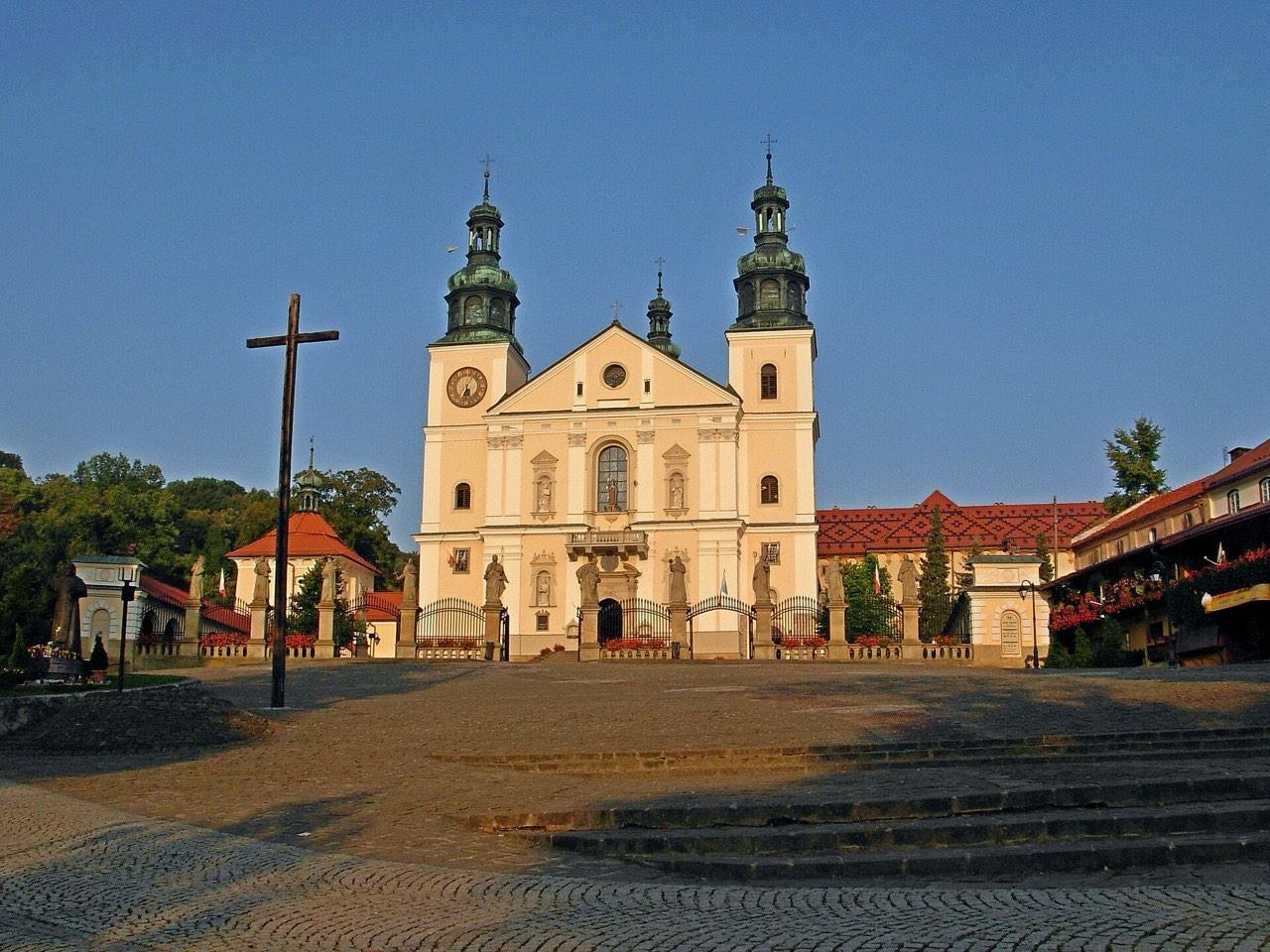
- Terrain. Some shrines are on hills or have long Calvary paths. One example is Kalwaria Zebrzydowska, where the paths run through hilly countryside. A senior can choose just a section and spend the rest of the time in the basilica.
- Accessibility. Before you go, check on the shrine's website or by phone whether there are ramps, lifts, seating and toilets adapted for people with disabilities.
- Accommodation. A ground-floor room or one with a lift, close to the shrine, saves a lot of steps.
- Time to rest. An afternoon break in the programme is often the most important point of the day.
Shrines that welcome older and sick pilgrims
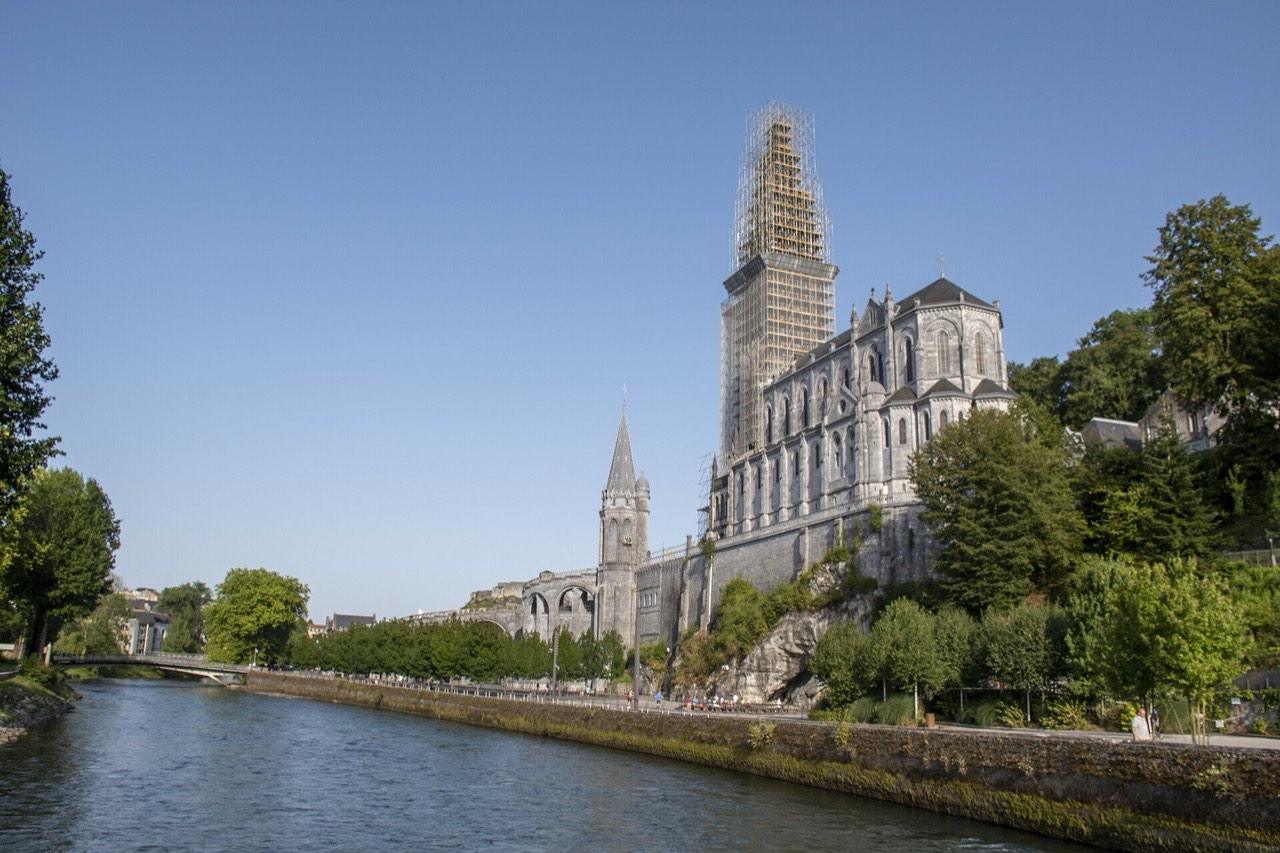
Some places have long welcomed sick and elderly pilgrims. The best-known example in Europe is Lourdes, where service to the sick is at the heart of the shrine and volunteers help people who use wheelchairs. You will find organisational details in our guide to Lourdes.
In Poland, a good choice for seniors is often the Divine Mercy Sanctuary in Łagiewniki, located in a large city with good transport links, as well as shrines on flat ground with good facilities. Always check current accessibility information directly with the shrine, though, as conditions change with renovations and the seasons.
Many parishes organise coach pilgrimages designed for older participants, with a carer and a calm programme. You can browse ready-made trip offers in the pilgrimages and trips section.
A three-generation pilgrimage: balancing everyone's needs
The most beautiful trips are often those where grandparents, parents and grandchildren travel together. Grandma tells the story of her first pilgrimage, the children ask questions, and the parents learn patience from both sides. To make such a trip work:
- match the pace to the slowest person and do not treat it as wasted time;
- split the programme: some services together, some separately, for example grandparents rest while the children are at the playground;
- give seniors important roles: leading prayer, telling the story of the place, choosing the hymns;
- make sure everyone has their own moment at the shrine, without rushing.
How Bratnio helps you plan a family pilgrimage
When planning a trip with children or seniors, it helps to have everything in one place. In Bratnio you can plan your own journey divided into stages, with shorter sections and planned stops. It is easy to share such a plan with the rest of the family, and after you return to prepare a story with photos for those who stayed at home.
If you are looking for other families or people to walk part of the way with, the Find a travel companion feature may be useful. It is a tool for adults: you switch visibility on deliberately for 1, 2 or 4 hours, others see only an approximate zone, and the conversation begins only after an invitation is accepted. You can block or report anyone free of charge.
Frequently asked questions
From what age can a child go on a pilgrimage?
You can take even a baby on a short, one-day pilgrimage to a nearby shrine, as long as the programme allows for their needs. On multi-day walking pilgrimages, organisers often have their own age rules, so check them before signing up.
Which shrine should we choose for a first pilgrimage with children?
Ideally one that is not too far to travel to and has a safe space for walking around the church. Licheń, Niepokalanów, Święta Lipka or Gietrzwałd are examples, but the choice should depend above all on the distance from your home.
How do you prepare a pilgrimage for seniors with limited mobility?
Check the accessibility of the shrine and accommodation in advance, plan shorter sections and frequent rests. Take medication with a reserve and talk to a doctor before a longer trip. Consider going with a parish or an organiser experienced with older people.
Is a walking pilgrimage good for children?
Short, one-day sections can be a wonderful adventure for older children. A multi-day walk requires good fitness and supervision, so start with one stage and see how your child copes with the effort.
What should you do if a child is restless during Mass?
That is natural, especially for the youngest. One parent can step outside with the child for a moment and then come back. It also helps to let them run around beforehand and to sit near the exit.
Can an older person go on a pilgrimage abroad?
Yes, many older people go on pilgrimages abroad. Choose a calm programme, shorter journeys and reliable insurance, and talk to a doctor about your health beforehand.
A pilgrimage with children and a pilgrimage for seniors do not have to be a compromise. They can become your most beautiful family memory if you match the pace and destination to the people, not the other way round. Create a free account on Bratnio, save your favourite shrines from the map, plan short stages with breaks, check the events calendar, and after you return share your story and photos with grandma, grandpa and the whole family.