Shrines
Catholic Shrines in France: A Pilgrim's Guide Region by Region
Published October 21, 2026 · 11 minute read
Lourdes, Lisieux, Rue du Bac, Ars, Paray-le-Monial, La Salette and many more. A guide to French pilgrimage sites with route plans.
Machine translation of an article written in Polish.
The shrines of France make up one of the richest pilgrimage maps in Europe. France, called the eldest daughter of the Church, gave the world Lourdes, St Thérèse of Lisieux, the Miraculous Medal, the Curé of Ars and the apparitions of the Sacred Heart. At the same time, many of these places lie far apart, and a good plan lets you see more and tire yourself less. In this guide we describe the French pilgrimage sites in the Bratnio catalogue, region by region, and suggest a few proven ways to combine them into one journey.
Lourdes: the most important Marian shrine in France
Lourdes
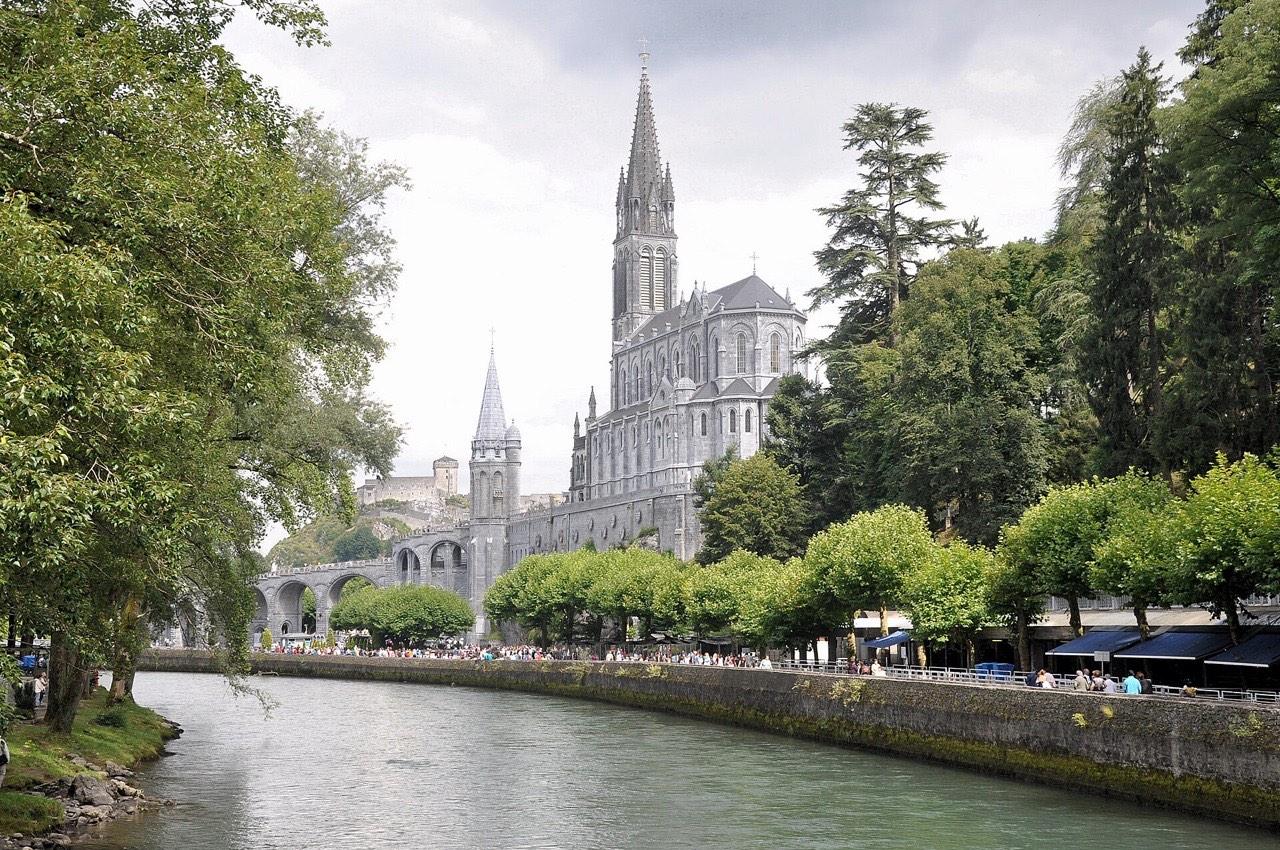
The Sanctuary of Lourdes lies at the foot of the Pyrenees. In 1858 Our Lady appeared here more than a dozen times to fourteen-year-old Bernadette Soubirous in the grotto of Massabielle, introducing herself with the words: "I am the Immaculate Conception". Millions of pilgrims still come here today, including a great many sick people.
The main places are the grotto of the apparitions, the spring, the baths, the basilicas and the evening candlelight procession, during which thousands of people sing the "Ave Maria" in many languages. You will find the current programme of services, including the Eucharistic procession, on the shrine's official website. We have gathered more practical tips in a separate article, pilgrimage to Lourdes: the grotto, processions and planning.
Paris: shrines in the French capital
Paris is often the first stop, because most pilgrims fly or travel in there. In the city itself, plan at least two days for prayer, not just sightseeing.
The Basilica of Sacré-Cœur in Montmartre
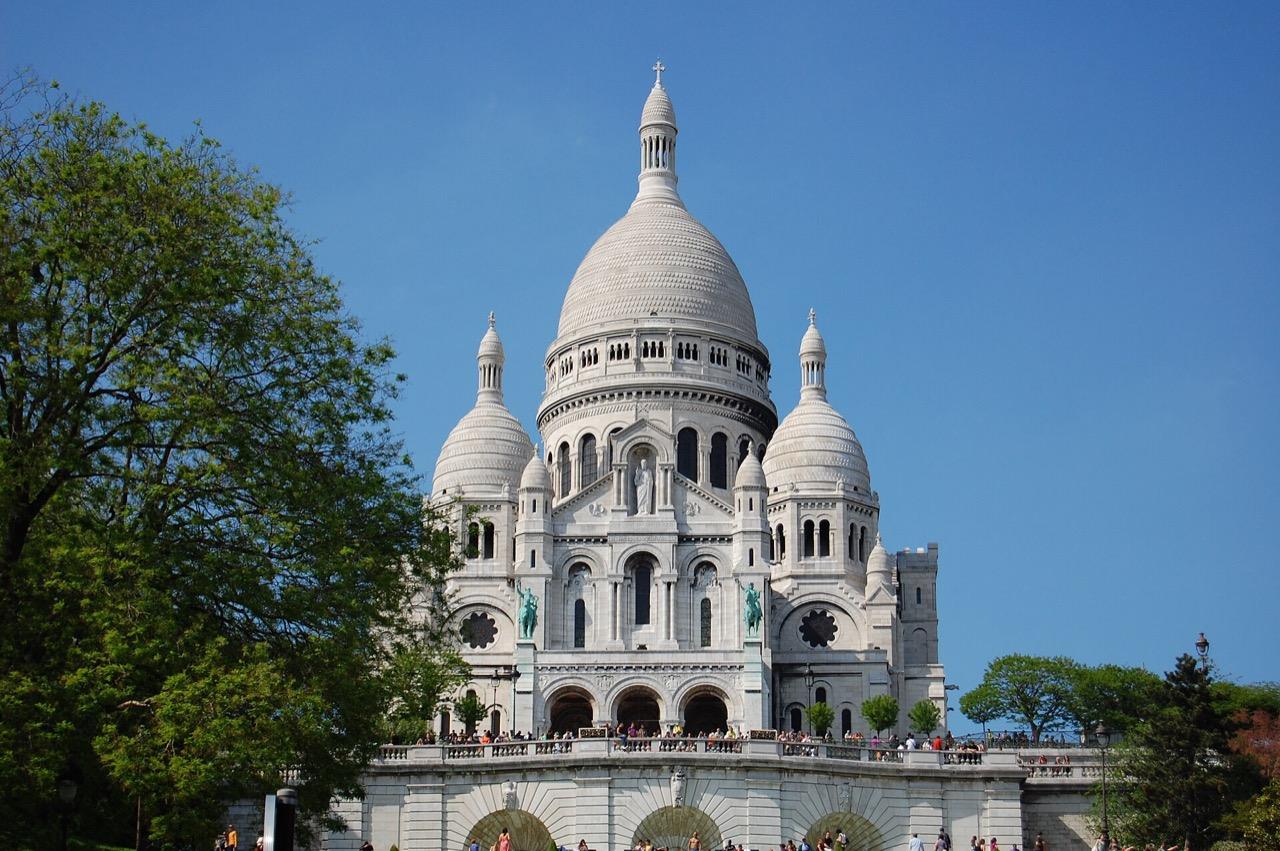
The Basilica of Sacré-Cœur towers over Paris from the hill of Montmartre. Built at the end of the 19th century as a national vow, it is dedicated to the Sacred Heart of Jesus. For many years it has had perpetual adoration of the Blessed Sacrament, including at night for those who sign up in advance. Despite the crowds of tourists on the steps, the interior is filled with prayerful silence.
The Chapel of the Miraculous Medal on Rue du Bac
In the Chapel of the Miraculous Medal on Rue du Bac, Our Lady appeared in 1830 to St Catherine Labouré, a young Daughter of Charity. She asked for a medal to be struck with the prayer "O Mary, conceived without sin, pray for us who have recourse to thee". The body of St Catherine rests in the chapel. It is a small, simple and very intimate place, ideal for quiet prayer in the middle of a big city.
Notre-Dame Cathedral
Notre-Dame Cathedral in Paris, badly damaged by fire in 2019, reopened after reconstruction in December 2024. The cathedral keeps the relic of the Crown of Thorns, venerated on certain days. Because of high demand, entry rules may change, so check the latest information before your visit.
Normandy and the west: Lisieux, Mont-Saint-Michel, Pontmain and Chartres
Lisieux
The Sanctuary of St Thérèse in Lisieux is where St Thérèse of the Child Jesus, Carmelite nun and Doctor of the Church, lived and died in 1897. Pilgrims visit the Carmel, whose chapel holds the saint's relics, the huge basilica on the hill and the family home, Les Buissonnets. Lisieux is also a place of remembrance for her parents, Saints Louis and Zélie Martin, canonised in 2015.
Mont-Saint-Michel
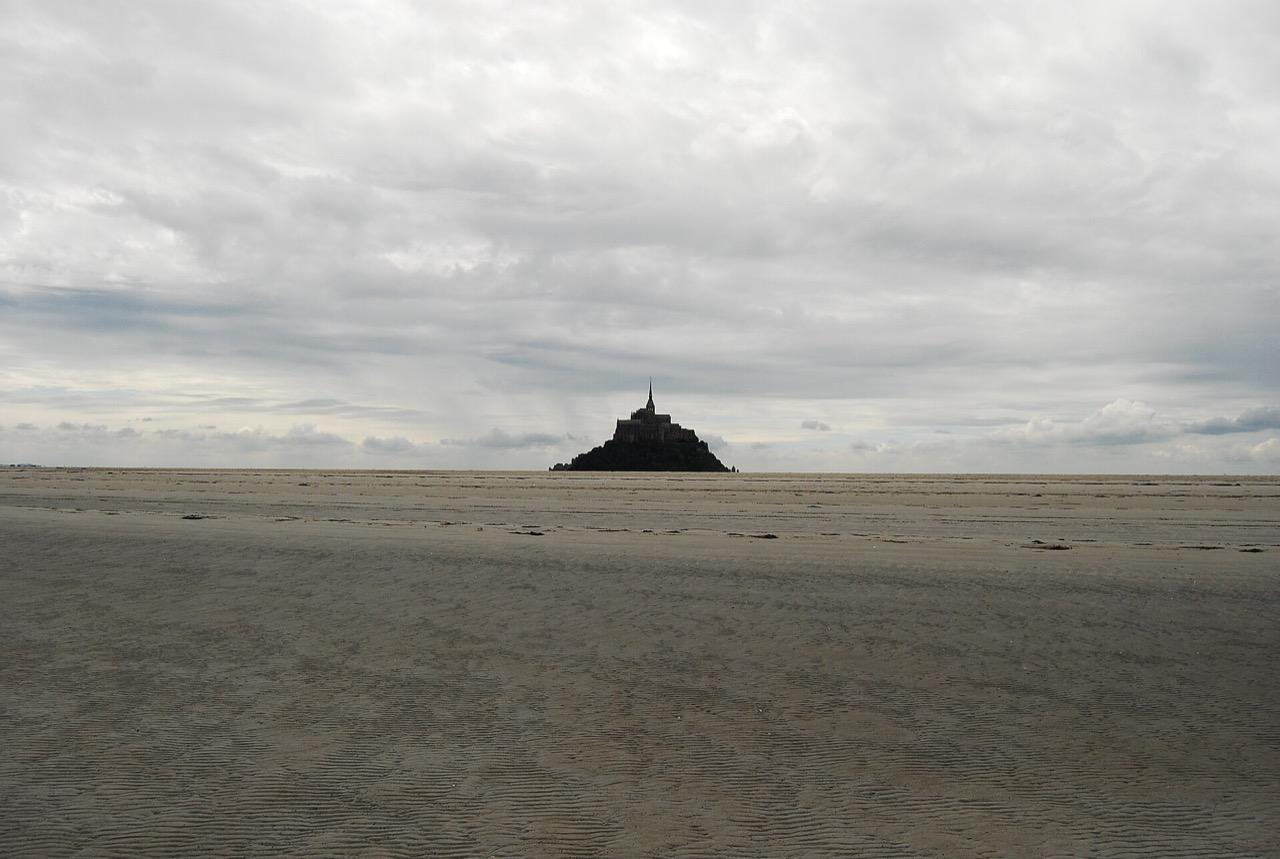
The Abbey of Mont-Saint-Michel rises on a rocky island in a bay flooded by some of the highest tides in Europe. According to tradition, the shrine was founded in the early 8th century by Bishop Aubert of Avranches, to whom St Michael the Archangel appeared. Crossing the sands of the bay is only possible with a licensed guide; never go out there alone, as the tide and quicksand are a real danger.
Pontmain
The Shrine of Pontmain commemorates the apparition of 17 January 1871, when, during the Franco-Prussian War, a group of children saw Our Lady in the sky. Her message, "Pray, my children", is still dear to many families. Pontmain is quiet and small, and fits well into a route between Normandy and Brittany.
Chartres
Chartres Cathedral is one of the masterpieces of Gothic architecture, famous for its stained glass and the labyrinth laid into its floor. It keeps a relic known as the Veil of Mary. For more than a hundred years Chartres has been the goal of walking pilgrimages from Paris, including a large youth pilgrimage at Pentecost.
Burgundy: Vézelay, Nevers, Paray-le-Monial and Taizé
Vézelay
The Basilica of St Mary Magdalene in Vézelay stands on a hill above the valley. It is a Romanesque church with an extraordinary, luminous nave, where St Mary Magdalene is venerated. In 1146 St Bernard of Clairvaux preached the Crusade here. Vézelay is also one of the traditional starting points of the French routes to Santiago de Compostela.
Nevers
The body of St Bernadette Soubirous rests in the Shrine of St Bernadette in Nevers. After the apparitions in Lourdes she joined the Sisters of Charity of Nevers and died here in 1879. A pilgrimage to Lourdes and Nevers together forms a beautiful whole: from the place of the apparitions to the place of the visionary's quiet, hidden life.
Paray-le-Monial
The Shrine of Paray-le-Monial is the cradle of devotion to the Sacred Heart of Jesus. Between 1673 and 1675 St Margaret Mary Alacoque, a Visitation nun, received apparitions here, and her spiritual director was St Claude La Colombière. Pilgrims pray in the Chapel of the Apparitions and in the Romanesque basilica. In summer many sessions and community gatherings take place here.
Taizé
The Taizé Community is not a shrine in the classic sense, but an ecumenical community of brothers from different Churches, founded by Brother Roger in 1940. Every week young people from all over the world come here to pray together, sing simple chants and reflect on Scripture. You will find the rules for visits and meetings on the community's website.
The Alps and the Rhône valley: Ars and La Salette
Ars
The Shrine of Ars is where St John Mary Vianney ministered, the parish priest who spent whole days in the confessional. He died in 1859 and is today the patron of parish priests. His body rests in the basilica, and pilgrims also visit the presbytery and the modest room where he lived. Ars is close to Lyon, so it is easy to combine with Paray-le-Monial.
La Salette
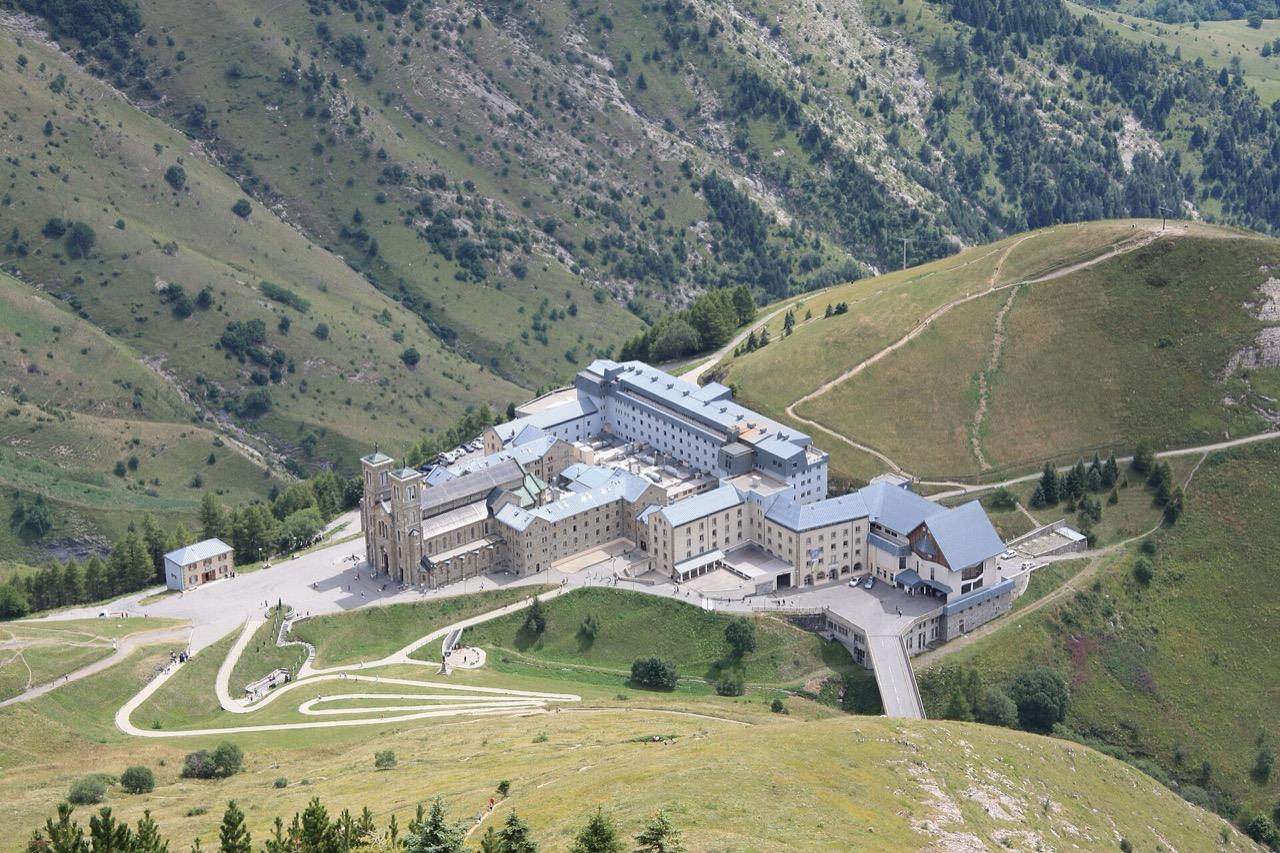
The Shrine of Our Lady of La Salette lies high in the Alps, at an altitude of about 1,800 metres. In 1846 two shepherd children, Maximin and Mélanie, saw a weeping Beautiful Lady here who called for conversion. Its mountain location means that the road can be difficult outside the summer season; check access and weather conditions before you travel.
The south and the roads to Santiago: Rocamadour, Le Puy-en-Velay and Saint-Jean-Pied-de-Port
Rocamadour
The Shrine of Rocamadour clings to a steep cliff above the valley. Pilgrims climb stone steps to the Chapel of Our Lady with its Black Madonna, venerated for centuries. Rocamadour lies on one of the variants of the French Ways of St James and has drawn pilgrims from all over Europe since the Middle Ages.
Le Puy-en-Velay
Le Puy-en-Velay Cathedral, with its famous Black Madonna, is the starting point of the Via Podiensis, one of the most beautiful French routes to Santiago. Pilgrims setting out receive a blessing here. The town itself, set among volcanic hills, delights visitors with the Chapel of St Michael on top of a rock needle.
Saint-Jean-Pied-de-Port
Saint-Jean-Pied-de-Port is a small town at the foot of the Pyrenees and the most popular starting point of the Camino Francés. From here pilgrims cross the mountains to Roncesvalles in Spain. At the pilgrim office you can get a credencial and information about conditions on the pass. If you are thinking about the Camino, read Camino de Santiago for beginners.
A pilgrimage to France: route plans by region
France is large, and the distances between shrines can be surprising. Instead of trying to see everything, choose one or two regions. Lourdes and Paris are several hundred kilometres apart, and it takes a whole day to get from Normandy to the Alps. It is convenient to combine long-distance trains with local transport, but some of the smaller shrines, such as Pontmain, La Salette or Rocamadour, can be hard to reach without a car. So it is good to plan one accommodation base in each region and make shorter trips from it. Also leave time in your plan for Mass, confession and simple silence, because these are what turn a trip into a pilgrimage rather than just a tour.
- Paris and Normandy (5-7 days). Paris with Sacré-Cœur, Rue du Bac and Notre-Dame, then Chartres, Lisieux and Mont-Saint-Michel. If you have an extra day, add Pontmain.
- In the footsteps of St Bernadette. Lourdes as the main destination, with Nevers on the way back or at the start. This plan is for those who want to know the visionary's whole story.
- Burgundy and the Lyon area (4-6 days). Vézelay, Nevers, Paray-le-Monial, Taizé and Ars. For those who are keen, a mountain extension to La Salette.
- The south and the Ways of St James. Le Puy-en-Velay, Rocamadour and Lourdes, finishing in Saint-Jean-Pied-de-Port for those starting the Camino.
French shrines can also be combined with a bigger journey. Some pilgrims continue across the Alps on the Via Francigena to Rome, while others combine France with shrines in Italy.
How to plan a pilgrimage to French shrines with Bratnio
A well-written plan saves time and stress. In Bratnio you will find all the places described here on the map of shrines and pilgrimage places, where you can save them and compare their locations. In the journey planner you can lay out the stages day by day, and after you return publish a story with photos. If you prefer to travel with a group, browse pilgrimage trips organised by parishes and tour operators. Before each journey, check current opening hours and service schedules on the shrines' official websites.
Frequently asked questions
Which shrines in France should you visit first?
For a first pilgrimage most people choose Lourdes, or Paris combined with Lisieux. Lourdes is the country's most important Marian shrine, and a Paris and Normandy route lets you see several very different places in a few days. Later trips can be devoted to Burgundy or the south.
How many days do you need for a pilgrimage to France?
It depends on the region. For Lourdes alone, two or three full days on site are usually enough; for Paris with Normandy, about a week. It is better to plan fewer places and more time for prayer than to spend whole days on a coach.
Is Taizé a Catholic shrine?
Taizé is an ecumenical community of brothers from various Christian traditions, not a shrine in the strict sense. It is visited mainly by young people for week-long prayer gatherings. Before you go, read the rules and register through the community's website.
Where in France can you encounter St Bernadette?
The place of the apparitions is Lourdes, and St Bernadette's body rests in Nevers, in the chapel of the former convent of the Sisters of Charity. Combining both places in one journey lets you follow her whole path.
Can you walk across the bay to Mont-Saint-Michel?
Yes, but only with a licensed guide who knows the rhythm of the tides and the dangerous spots. Going out onto the sands of the bay alone is risky. You can safely reach the abbey itself along the causeway.
Where do the French routes to Santiago begin?
Traditional starting points include Le Puy-en-Velay and Vézelay, and the most popular start of the Camino Francés is Saint-Jean-Pied-de-Port at the foot of the Pyrenees. It is worth having your pilgrim passport from the very first day.
France can surprise you with the silence of small shrines next to great basilicas. Create a free account on Bratnio, save your chosen places on the map, lay out the stages in the journey planner and share your story with photos after you return. If you would like to walk part of the way with someone or go to Mass together, use the Find a travel companion feature, where your visibility is off by default and a conversation begins only after an invitation is accepted.