Guides
Coach Pilgrimages: How to Choose a Good Trip and Prepare for It
Published October 21, 2026 · 10 minute read
How do you choose a coach pilgrimage? Itinerary, pastoral care, insurance and cancellation terms, a packing list, tips for seniors and popular destinations.
Machine translation of an article written in Polish.
For many people a coach pilgrimage is the most convenient way to reach shrines in their own country and across Europe. You do not have to plan accommodation, transport and tickets yourself, and the daily programme combines prayer, sightseeing and community. Offers vary widely, however: in itinerary, pace, pastoral care and contract terms. In this guide we explain how to choose a good coach pilgrimage, what to check before signing a contract, what to pack, what a typical day on the road looks like and what older pilgrims should pay attention to.
Why choose a coach pilgrimage
Travelling by coach has several advantages that first-time pilgrims especially appreciate. The whole group travels together from the meeting point until the return, and the tour leader and guide take care of logistics. The coach takes pilgrims right up to the shrines or close to them, which matters for places with poor public transport.
The most important dimension, though, is spiritual. A coach pilgrimage organised by a parish or an experienced operator usually includes daily Mass, shared prayer on the road, the Rosary, singing and time for personal reflection. The journey stops being just transport and becomes part of a retreat. The group community also means that people travelling alone do not feel lost.
Bear the limitations in mind. A coach means long hours of sitting, a fixed programme and less freedom than travelling independently. So before choosing, think carefully about what you really expect.
How to choose a coach pilgrimage: itinerary and pace
The first thing to read carefully is the day-by-day itinerary. A good itinerary clearly shows where the group stays overnight, how many hours the journeys take, which shrines are the main destinations and which are just short stops. Pay attention to a few things:
- whether the programme includes time for personal prayer, not just guided sightseeing;
- whether daily Mass is planned and where;
- how many nights are spent on the coach, if any;
- whether days with very long journeys alternate with quieter ones;
- whether the programme is too packed for people who walk more slowly.
A tight plan with many countries in a week may look attractive, but in practice it mostly means sitting on the coach. A pilgrimage with fewer places and longer stays is often the better choice.
Pastoral care and tour leader: who leads the group
What distinguishes a pilgrimage from a tour is above all the presence of a priest. Ask the organiser whether a chaplain accompanies the group the whole time or only on certain sections. The priest celebrates the Eucharist, leads prayers, gives short talks and is available for confession.
The tour leader or guide is just as important. A good tour leader knows the route and the languages of the transit countries, can respond to unexpected situations and keeps the group on time. On trips abroad, ask whether the group uses local guides at the individual shrines and whether this is included in the price.
Insurance, cancellation and the tour operator
This is the part many pilgrims skip, yet it matters enormously when something goes wrong. Before paying a deposit, check:
- Who the organiser is. Organised trips offered for a fee should be run by a registered tour operator that holds the legally required financial protection in case of insolvency; in the EU this follows from the Package Travel Directive, and the details depend on your country. A parish often works with such an operator, and the contract is concluded with the operator. In Poland, for example, information on organisers' obligations and the register is available at turystyka.gov.pl; check the equivalent authority in your own country.
- Insurance cover. Check the amounts covered for medical expenses and personal accident. People with chronic illnesses should ask whether the policy covers a flare-up of a chronic condition. For trips within the European Union, it is also worth carrying a European Health Insurance Card.
- Cancellation terms. Read what the cancellation charges are depending on the date, and whether you can buy cancellation insurance.
- What the price includes. Accommodation, meals (how many a day), entrance tickets, local guides, road tolls and parking fees, tips. Clarify any unclear items before signing the contract.
- Travel documents. Find out whether an ID card is enough or a passport is needed, especially for trips outside the European Union.
A reliable organiser will answer these questions without difficulty and give you the contract terms in writing. If someone brushes off such questions, take it as a warning sign.
What to pack for a coach pilgrimage
Luggage for a coach trip differs from a backpack for a walking pilgrimage, but some principles are similar. There is usually a limit of one suitcase in the hold and one smaller piece of hand luggage, so ask the organiser for details.
In your hand luggage, which you keep with you on the coach, bring:
- documents, insurance card, cash and a payment card;
- any regular medication, with a few days' reserve, and a list of it;
- a bottle of water and light snacks;
- a sweater or fleece, as the air conditioning on coaches can be strong;
- a travel pillow and possibly compression socks for long journeys;
- a rosary, prayer book or phone with the songbook;
- a charger and power bank.
In your suitcase, pack clothing appropriate for churches (covered shoulders and knees), comfortable, broken-in shoes, a rain jacket and a hat. Much of the advice for a walking pilgrimage also works for a coach trip.
The daily rhythm of a coach pilgrimage
Although every pilgrimage is different, most have a similar, orderly rhythm. A typical day looks roughly like this:
- Wake-up and breakfast at the hotel or pilgrim house.
- Morning prayer on the coach and travel.
- Time at the shrine: Mass, time for personal prayer, a guided tour.
- Lunch and onward travel or free time.
- Arrival at the accommodation, dinner, sometimes an evening Rosary or another service.
During the journeys the priest or tour leader leads prayers and talks about the places ahead, and the group sings. Regular stops are also important; they follow from the rules on drivers' working hours. They are a good moment to stretch your legs and drink some water. Be on time at meeting points, because one person being late delays the whole group.
Coach pilgrimages for seniors: practical tips
For many older people, a coach is the only realistic way to make a pilgrimage to distant shrines. A few simple rules will help them experience it calmly and safely:
- talk to your doctor before you go, especially if you have heart or circulatory problems or diabetes;
- tell the organiser about any special needs, such as a diet, walking difficulties or needing a seat at the front of the coach;
- ask whether the hotels have lifts and how far the shrines are from the parking area;
- on long journeys, move your feet regularly and drink water;
- carry a card with your contact details, a list of medication and the tour leader's phone number;
- do not hesitate to skip part of the programme if you feel tired.
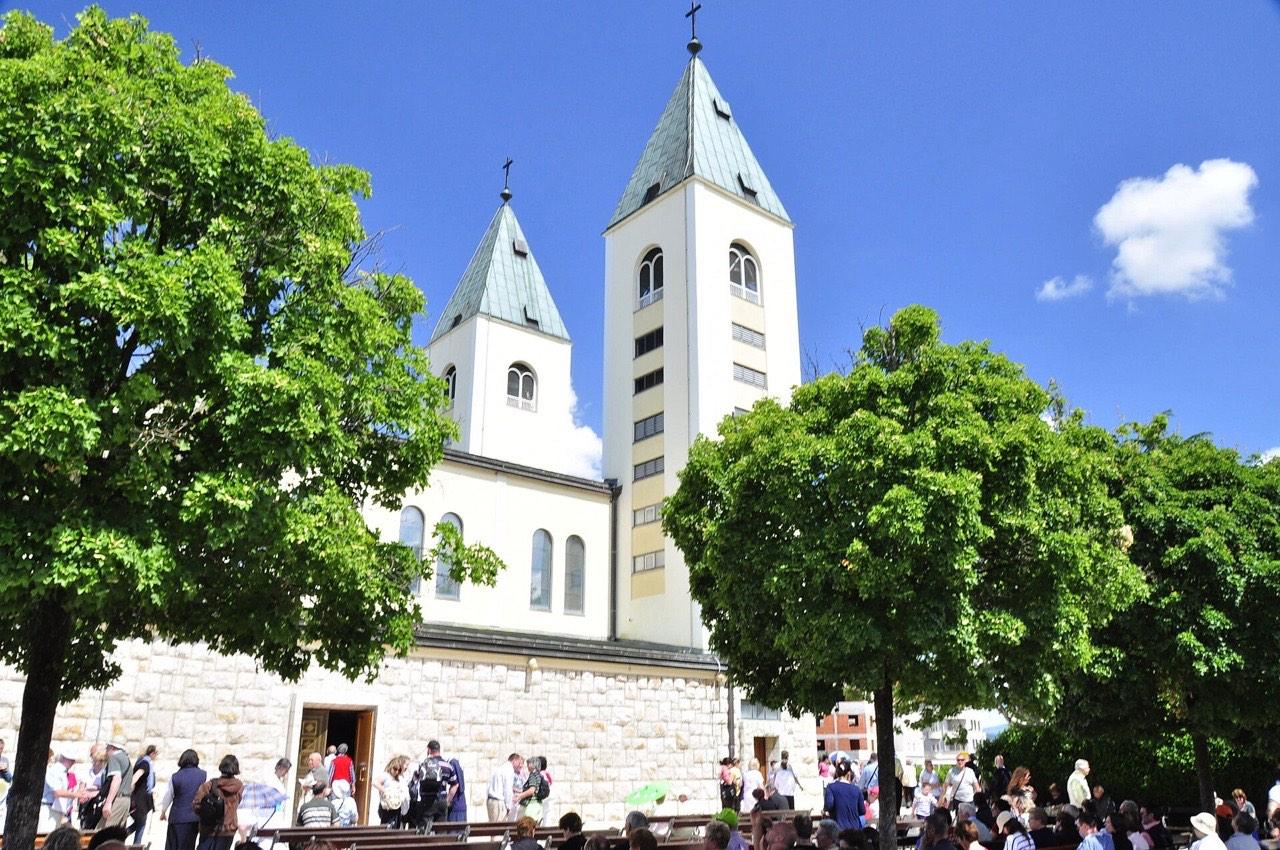
A good organiser adapts the pace to the weakest participants. If the programme includes steep climbs, for example Apparition Hill in Medjugorje or the Calvary paths, ask about an alternative for people with limited mobility.
Popular coach pilgrimage destinations
Coach pilgrimages head both to shrines in Poland and to destinations elsewhere in Europe. Among the most popular are:
- Poland: Jasna Góra in Częstochowa, Licheń, Kalwaria Zebrzydowska with its Calvary paths and Łagiewniki in Kraków. We write more about Kalwaria in our guide Kalwaria Zebrzydowska and its Calvary paths.
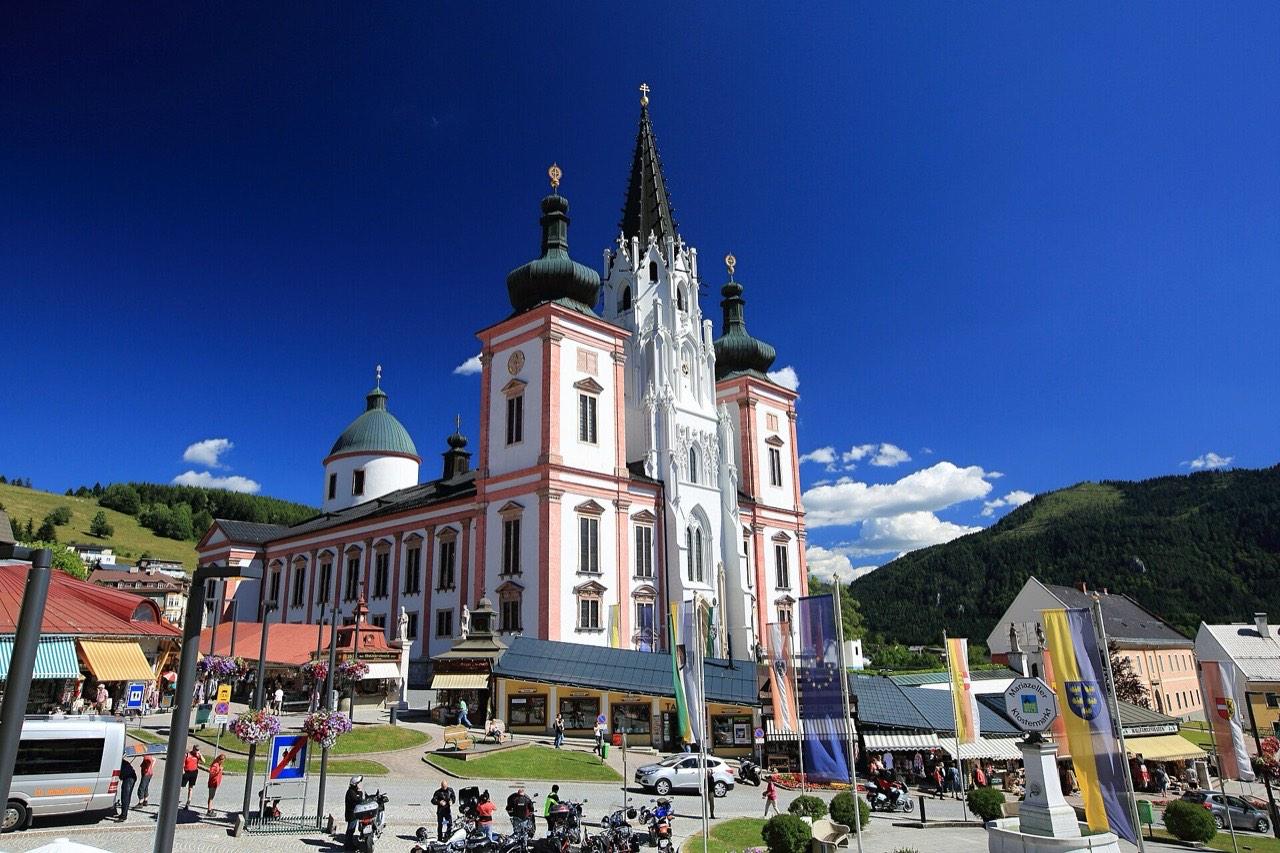
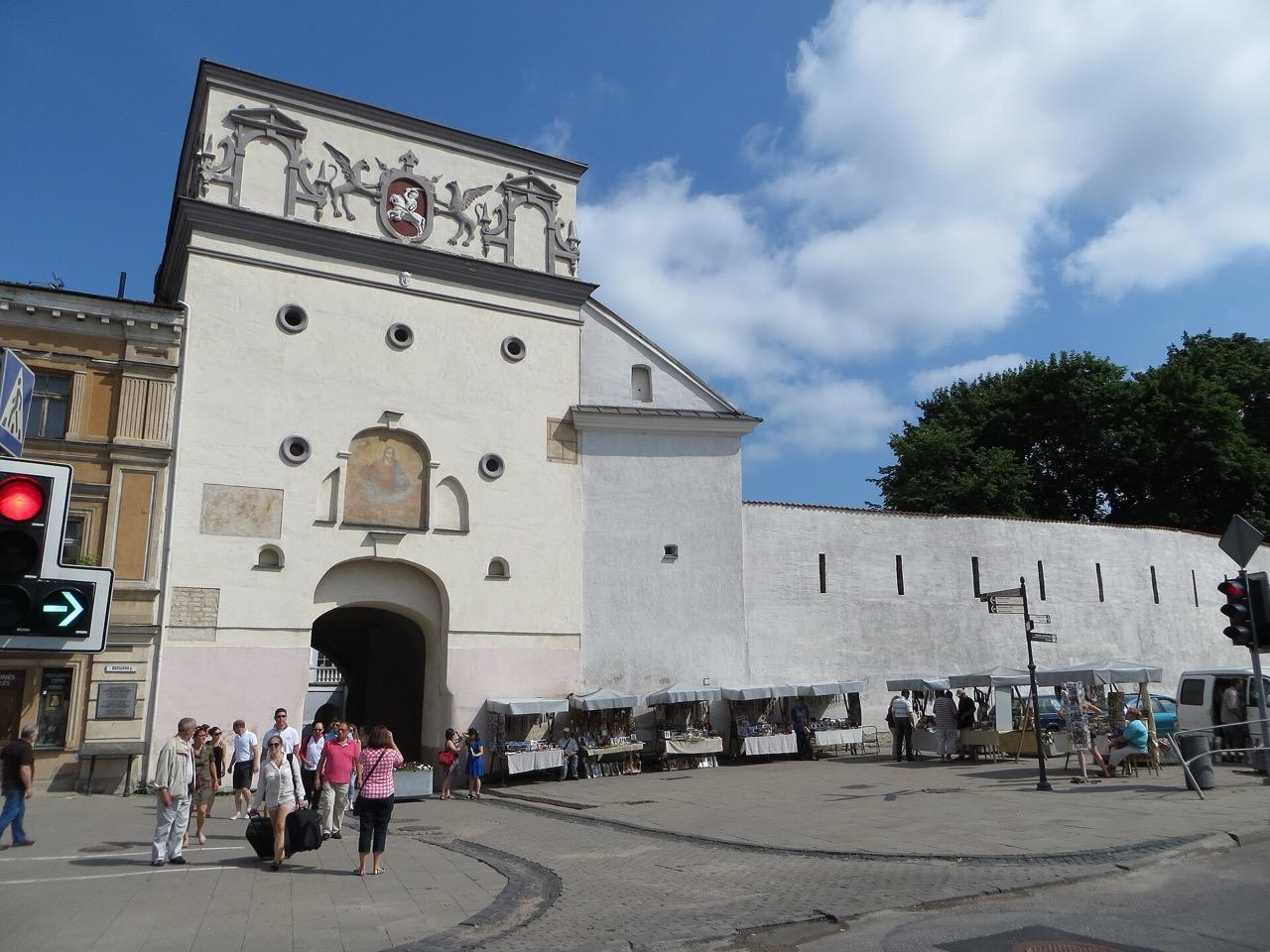
- Central Europe: Mariazell in Austria and the Gate of Dawn in Vilnius, often combined with other places in Lithuania.
- The Balkans: Medjugorje in Bosnia and Herzegovina. Before you go, read our guide to Medjugorje, which also explains the Church's position.
- Italy: Rome with St Peter's Basilica, San Giovanni Rotondo, Loreto and Assisi. Our guides to Rome and to shrines in Italy will help.
- Further afield: coaches also travel to Lourdes and Fatima, although this requires many days on the road and good stamina.
You will find all these places on the map of shrines, and we have gathered current organisers' offers in the list of pilgrimage trips. For each offer, check who the organiser is and read the contract terms.
How Bratnio helps before, during and after the pilgrimage
Bratnio does not replace the organiser or tour leader, but it makes it easier to prepare for the trip and live it more consciously. Before the pilgrimage you can save the shrines on the itinerary and read other pilgrims' reviews. In the journey planner you can add the stages of the route, and during the trip or after your return describe them and add photos. Such a story is easy to share with family who want to follow your journey.
If you are travelling alone and want to meet someone from another group at the same shrine, use the Find a travel companion feature. Your visibility is off by default, and when you switch it on for 1, 2 or 4 hours, others see only an approximate zone, not your exact position. The chat opens only after an invitation is accepted, and blocking and reporting are free.
Frequently asked questions
What should you look for when choosing a coach pilgrimage?
The most important things are the day-by-day itinerary, the presence of a priest, the standard of accommodation, the insurance cover and the cancellation terms. Also check that the organiser is a registered tour operator and exactly what the price includes.
Is a coach pilgrimage suitable for older people?
Yes, it is often the most convenient form of pilgrimage for seniors. Still, choose a programme with a gentler pace, consult your doctor about the trip and tell the organiser about any special needs, such as a diet or walking difficulties.
What insurance do you need for a pilgrimage abroad?
The organiser usually provides medical expenses and personal accident insurance. Check the amounts covered and whether the policy includes chronic illnesses. In European Union countries a European Health Insurance Card will also be useful.
What should you take on the coach for a long journey?
Documents, medication, water, snacks, a warm sweater, a travel pillow and a rosary. Keep what you need during the journey in your hand luggage, as the hold can only be accessed at stops.
Is there Mass every day on a coach pilgrimage?
On most pilgrimages led by a priest the Eucharist is celebrated daily, at the shrine or in another church along the way. Always confirm this in the itinerary or ask the organiser.
Can I go on a coach pilgrimage alone?
Of course. Many people travel on their own and quickly find their place in the group. When booking, ask about accommodation, as a single room often costs extra, and some organisers help match you with a roommate.
A well-chosen coach pilgrimage can become one of the most important spiritual experiences of your life. If you want to compare pilgrimage trips, save the shrines on your itinerary and share your story with photos after you return, create a free account on Bratnio. The songbook on your phone and the chance to meet travel companions at the shrines will come in handy too.